Services
Hands-on physiotherapy, tailored to your animal
Every treatment plan starts with a thorough assessment and is built around your animal's comfort, mobility and goals — from recovery after surgery to keeping an older dog moving well.
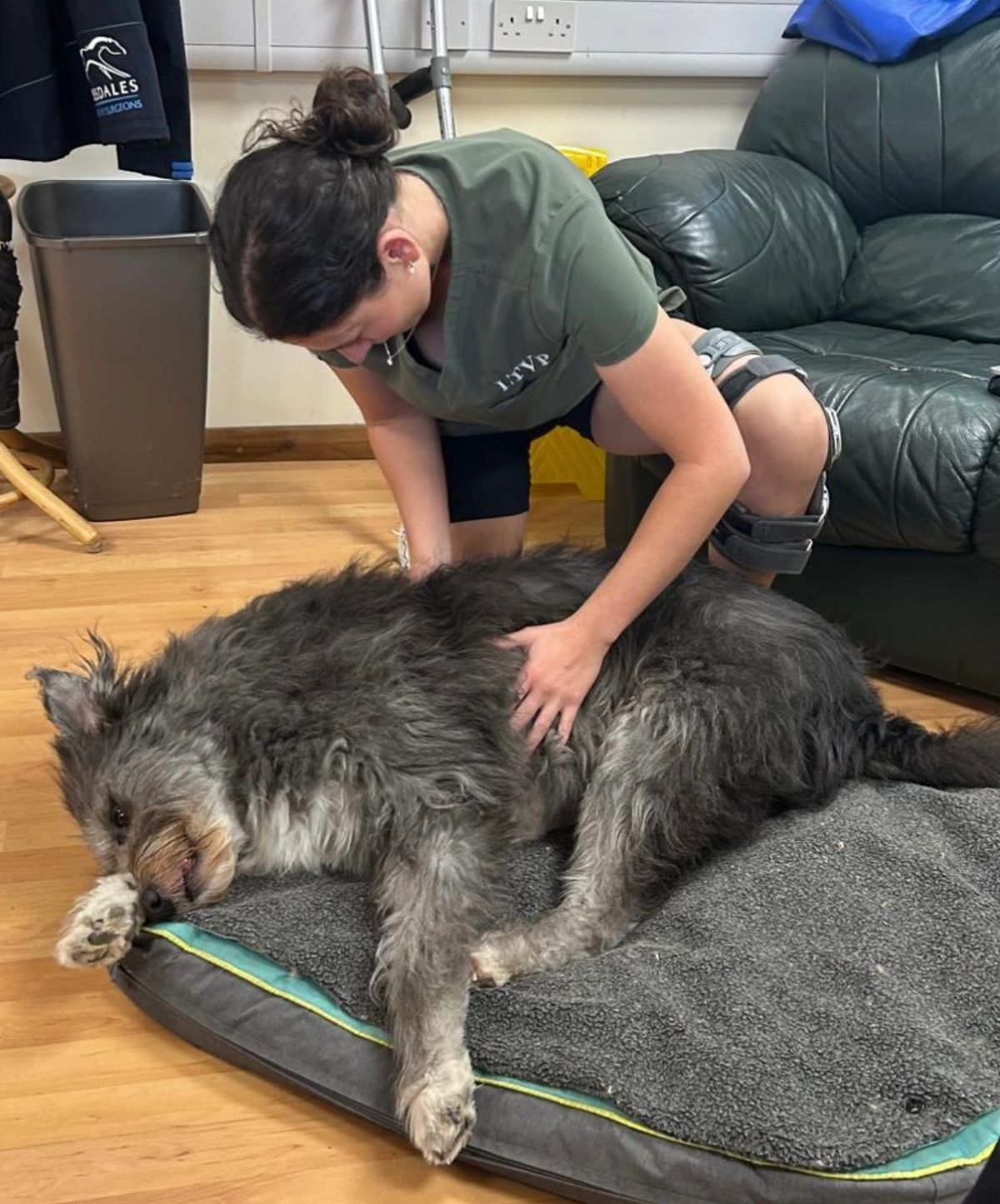
What to expect during an initial consultation
Every animal is different, so the initial consultation is an opportunity to get to know your animal, understand their individual needs and build a clear picture of their comfort, movement and overall function.
I take a thorough, hands-on approach, allowing plenty of time for your animal to settle and become comfortable before beginning the assessment.
Please note
All dogs are required to have an initial consultation before any physiotherapy treatment can take place. This ensures I can fully assess their individual needs and determine the most appropriate treatment plan.
The assessment
- 01
Getting to Know Your Animal
We'll start by discussing your animal's history, lifestyle, exercise routine and any concerns you may have noticed. Your animal will also be given time to get used to me and the assessment process at their own pace.
- 02
Postural Assessment
I'll observe your animal standing, looking at posture, weight distribution, conformation, muscle symmetry and any obvious areas of tension or compensation.
- 03
Dynamic Assessment
I'll assess how your animal moves, observing their gait, movement patterns, coordination and overall way of going. This helps identify any asymmetries, restrictions or changes in movement.
- 04
Range of Motion (ROM)
Individual joints will be assessed for their range of movement, looking for any restrictions, discomfort or differences between sides.
- 05
Palpation Assessment
Through careful hands-on assessment, I'll feel the muscles, soft tissues and relevant anatomical structures to identify areas of tension, sensitivity, discomfort or changes in muscle tone.
- 06
Neurological Assessment
Where indicated, a neurological assessment will help evaluate coordination, balance, proprioception and nerve function.
Your session
What is involved in a physiotherapy session?
Every session starts with an assessment and a plan — whether the goal is performance, recovery from surgery or simply comfortable movement in older age.
Once the assessment is complete, I'll discuss my findings with you, explain any areas of concern and talk through the most appropriate treatment options.
A tailored physiotherapy treatment plan will then be developed to support your animal's comfort, mobility and physical wellbeing, with advice on any exercises, management changes or ongoing support that may be beneficial.
Every assessment is individual, and your animal's comfort and welfare always come first.
Techniques
Hands-on treatment techniques
01
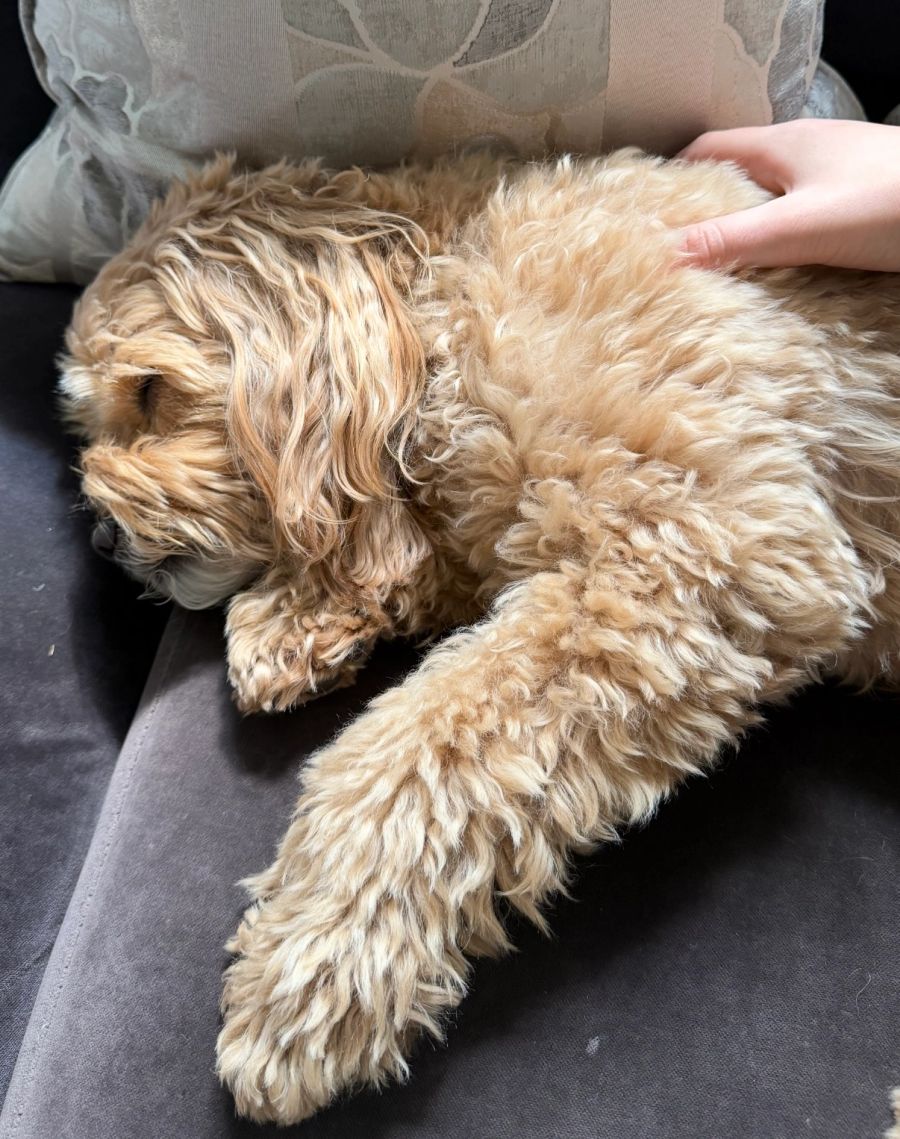
Manual therapy
Manual therapies are an important part of rehabilitation, helping to relieve muscle tension, improve circulation, reduce discomfort and promote relaxation. They can be particularly beneficial for dogs recovering from injury or surgery, as well as those managing long-term conditions such as arthritis.
As a veterinary physiotherapist, I use a range of hands-on techniques, including effleurage, compression, wringing and myofascial release, tailored to each dog's individual needs, condition and rehabilitation goals.
Techniques are carefully selected to support recovery, improve soft tissue mobility, enhance comfort and optimise movement, helping to improve overall function and quality of life.
02
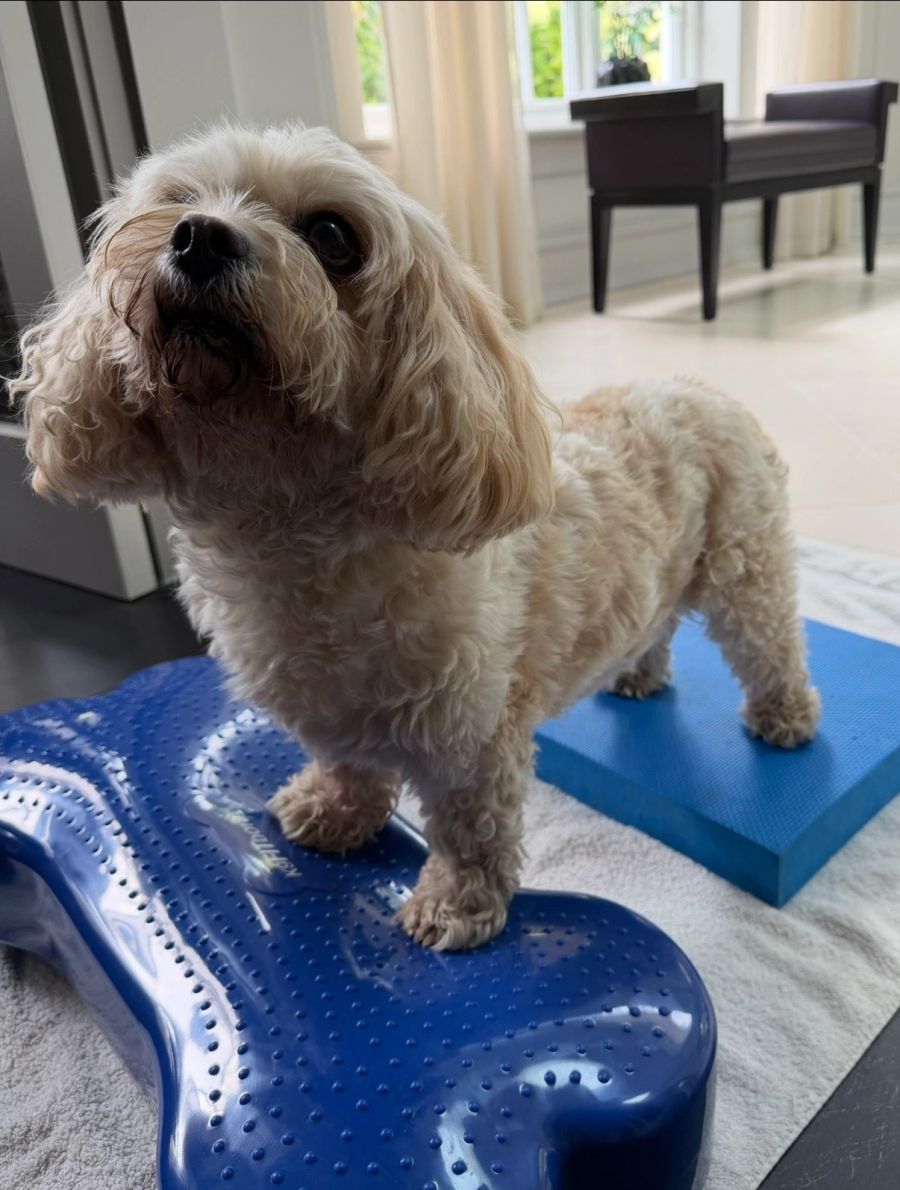
Remedial exercise prescription
Remedial exercise prescription is an important part of canine rehabilitation, helping dogs improve strength, mobility, balance and coordination following injury, surgery or when managing long-term conditions such as arthritis.
As a veterinary physiotherapist, I create tailored exercise programmes to suit each dog's individual needs, ability and rehabilitation goals.
Exercises are carefully selected and progressively adapted to support recovery, improve function and enhance quality of life, with clear guidance to help owners confidently and safely continue their dog's rehabilitation at home.
03
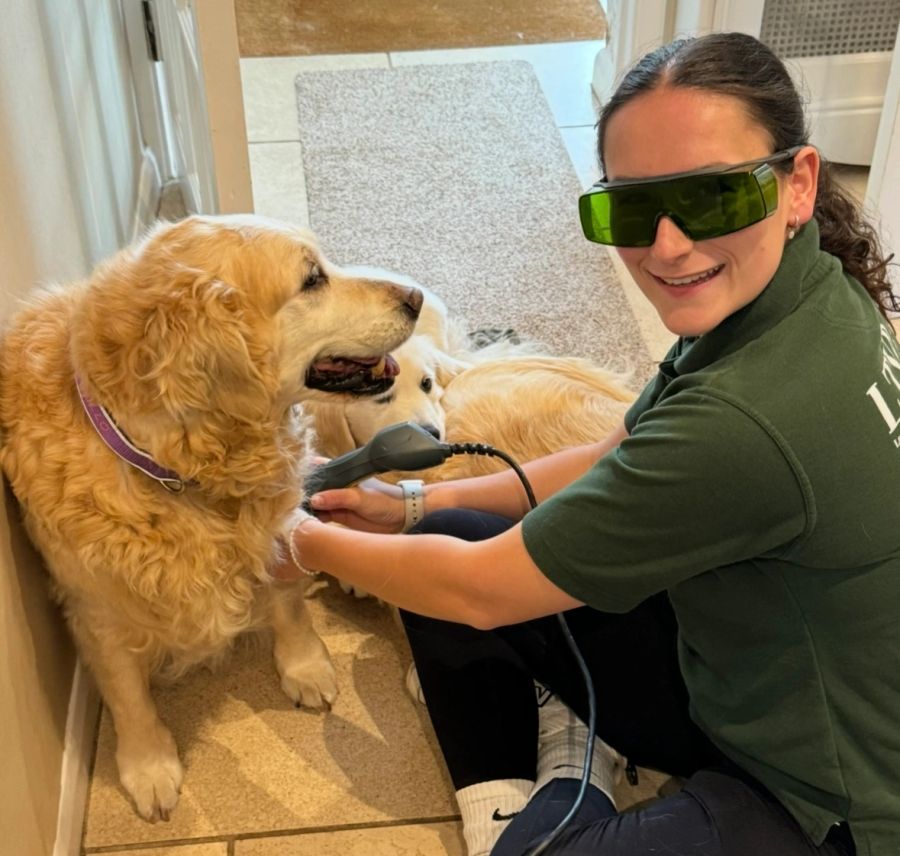
Class IV Laser Therapy
I use the advanced Class IV MLS ASA Laser Therapy system as part of my veterinary physiotherapy treatments.
Laser Therapy is a non-invasive treatment that uses specific wavelengths of light to stimulate biological processes within the body's tissues, a process known as photobiomodulation.
The light energy interacts with cells and tissues to help manage pain and inflammation, reduce swelling and support the body's natural repair and recovery processes.
What are the benefits of Class IV Laser Therapy?
- Pain relief: Helps manage pain and discomfort.
- Reduced inflammation: Supports the management of inflammatory processes within affected tissues.
- Reduced swelling: Helps manage localised swelling and oedema.
- Tissue repair: Supports cellular activity and the body's natural healing processes.
- Improved comfort and mobility: Helps support your animal's overall rehabilitation and return to function.
What can it be used for?
- Osteoarthritis and degenerative joint conditions.
- Muscle strains and soft tissue injuries.
- Tendon and ligament injuries.
- Back pain and muscular tension.
- Post-operative rehabilitation.
- Swelling and inflammation.
- Wound healing and tissue repair.
- General musculoskeletal discomfort.
Book a session
Concerned about your animal's comfort or mobility?
Whether you've noticed changes in their movement, behaviour or ability to enjoy everyday activities, we're here to help. Get in touch to discuss your concerns and find out how veterinary physiotherapy could help your animal feel and move better.
Veterinary consent required for animals under treatment · 24 hours notice for cancellations